At our November meeting, Ferring Conservation Group was pleased to welcome Cllr Vicki Wells, Worthing Council’s Cabinet Member for Environmental Services, who provided an informative update on the latest sea water quality findings along the Worthing coastline.
Drawing on her background as a science producer for the BBC, Vicki is committed to strengthening community involvement in local environmental monitoring. She recently joined members of a local swimming club to take part in seawater testing, helping to ensure that citizen-collected data contributes to a fuller and more accurate picture of coastal water conditions.
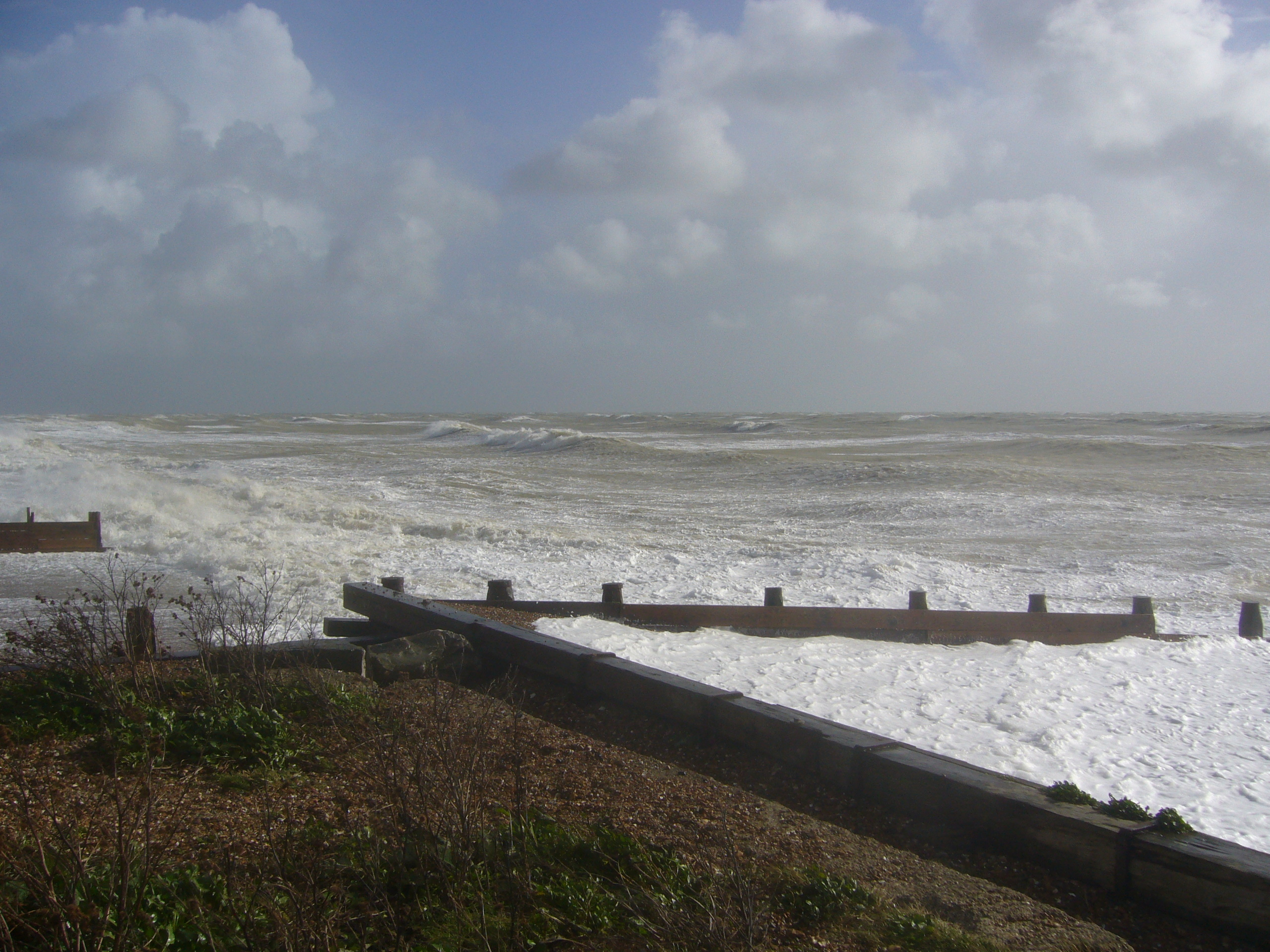 Thanks to equipment supplied by Southern Water, three designated sampling points have now been established to support local campaigners in tracking water quality. These complement the Environment Agency’s weekly testing programme carried out from May to September each year.
While water quality at Goring Beach and Heene Road has improved and is now officially rated “good”, the stretch near Beach House Grounds remains classified as “poor.”
Vicki explained that multiple pollution sources may be contributing to the issue, including urban run-off carrying litter, chemicals, mis-connected or damaged sewer infrastructure, natural waste from wildlife and dogs, as well as human impacts such as improper waste disposal on the beach.
Investigations are ongoing, supported by improved signage and the launch of the Yellow Fish campaign, which aims to raise awareness that pollution entering roadside drains flows directly into the sea.
Following Vicki’s presentation, Alex Finch, Water Quality Specialist at Southern Water, spoke about the company’s efforts to support Worthing Borough Council in improving coastal water quality. He acknowledged the company’s past challenges—including illegal sewage discharges that resulted in fines and regulatory red ratings—but highlighted progress made through the identification of pollution sources.
Using a bell-curve chart, Alex illustrated the risks posed by harmful bacteria such as E. coli and viruses like norovirus, which can cause gastrointestinal illness in humans. He reaffirmed Southern Water’s commitment to reducing storm overflow releases and continuing work to tackle contamination concerns.
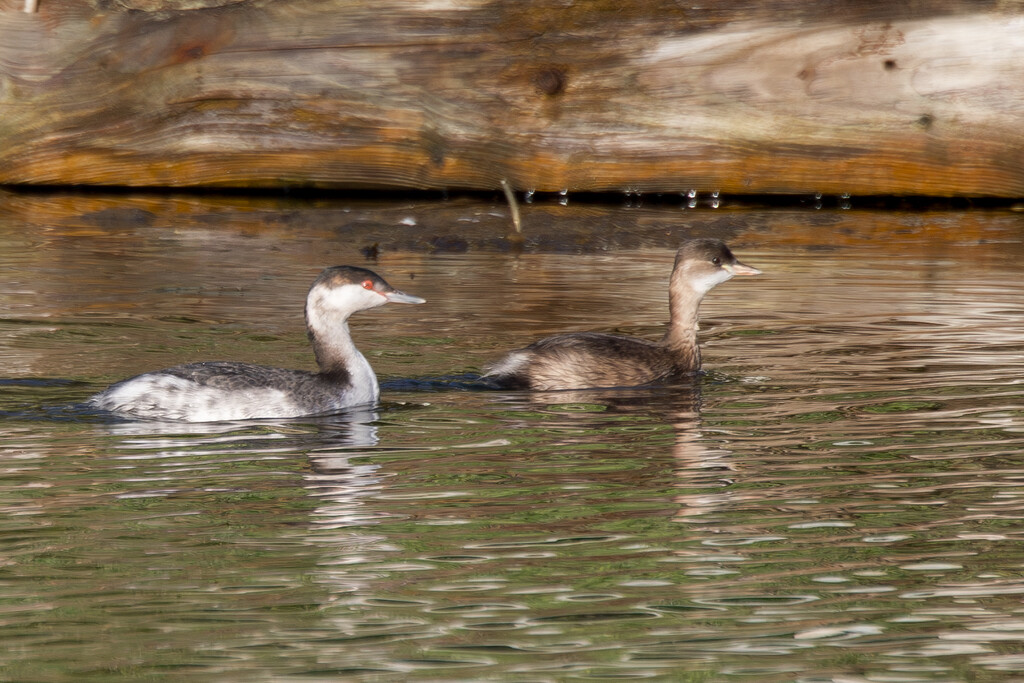
Seasonal mince pies accompanied cups of tea during a short break followed by Nature Notes, presented by Graham Tuppen. The following birds had all been spotted at Widewater, a man-made lagoon at Lancing, including Turnstones, Coots, Black Swans, Cormorants, Goosander, Heron, Little Egrets, Little Grebes, Moorhens, a silver Appleyard (a domestic breed of duck) as well as an unusual visit from a Slavonian Grebe.
 Clive Hope had seen waders on the beach at Ferring and Goring consisting of over 60 Oystercatchers, 40 Sanderlings, a few Turnstones and the odd Grey Plover, Dunlin and Ringed Plover. On the sea Clive spotted 12 Great Crested Grebes and 8 Red-breasted Mergansers.
On the west side of the Ferring Rife an influx of Blackbirds, Reed Buntings and Chaffinches joined a good number of Linnets and Goldfinches there. Also one Blackcap and a couple of Song Thrushes.
Stephen Abbott concluded the meeting by updating members with local planning news. Change of use for industrial units on the slopes of Highdown Hill have been submitted. The application for a footpath registration submitted by Ferring Conservation Group had been formally accepted and would be decided in due course.