Dr Tim Freed, a dedicated entomologist of many years and a Group member, gave an enlightening presentation on how he has transformed his private garden in Ferring into a carefully managed refuge for wildlife.
What began as a conventional garden has been steadily reshaped into one designed purely as a sanctuary for the widest range of wildlife possible.
Tim’s lifelong fascination with insects prompted him to take a gradual and experimental approach. Firstly, small areas of lawn were left uncut and Tim was encouraged by the many native species of wildflowers that quickly established themselves.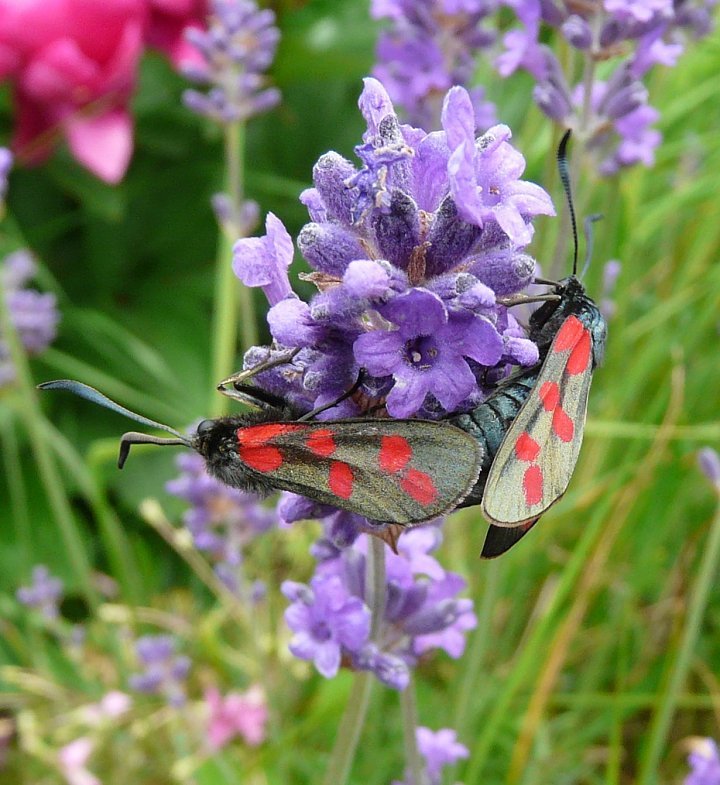
This motivated Tim to allow larger areas of lawn to naturally grow further areas of wildflowers. This very soon resulted in attracting many pollinating insects. Advice was taken on which shrubs to plant to add value to pollinators and specialist insects. Dead wood was retained rather than cleared, providing habitat for beetles, fungi, and nesting bees. Ponds and damp areas were introduced to support aquatic insects and their predators.
Tim’s vision extended beyond insects alone: the garden was intended to support interconnected food webs, from soil microorganisms to birds, amphibians, and small mammals.
This approach demanded patience and a willingness to accept visual disorder in favour of biological complexity.
The process was not without difficulty. Establishing a wildlife-friendly garden required significant physical labour, ongoing observation, and continual learning. Progress was often slow, and setbacks such as plant failures, extreme weather, or invasive species were frequent. Social challenges also arose: neighbours sometimes viewed the untidy appearance of the garden as neglect rather than intention, requiring Tim to repeatedly explain and defend his approach.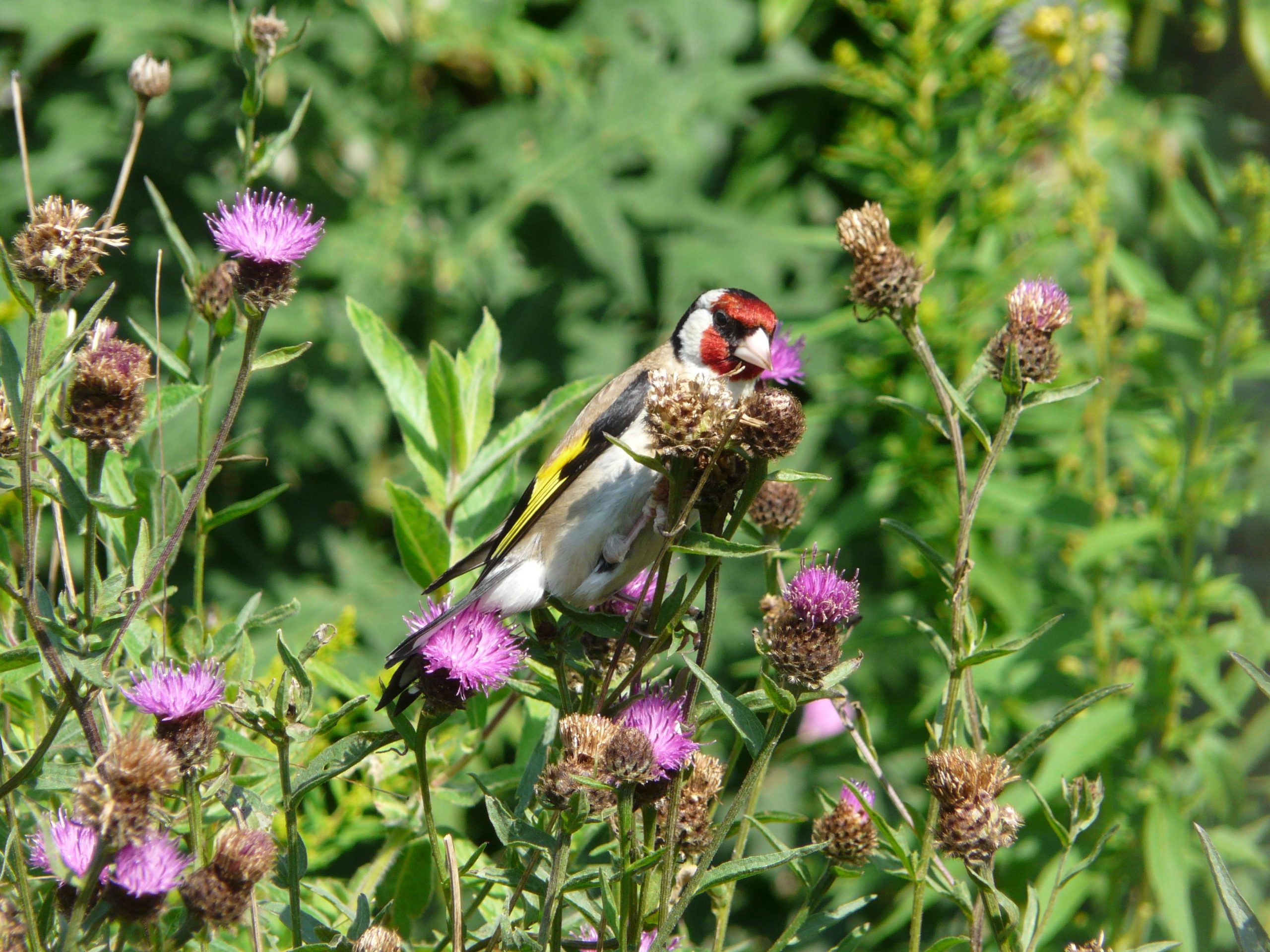
The many stunning photographs of the species now present in the garden helped to illustrate the importance of Tim’s work and to encourage the audience to try this technique in areas of their own gardens.
After the usual break for tea and biscuits Stephen Abbott took to the floor to discuss local planning issues. A new planning application has been submitted for a dwelling to be built on a small piece of land on the corner of Brook Lane. The Ferring Men in Sheds group are proposing to build a wooden shed behind the pumping house on the Glebelands playing field. Roundstone Pick Your Own Farm is now closed due to the retirement of the proprietors.
To conclude the meeting Graham Tuppen advised members and visitors on local wildlife sightings with news of several Goldfinches in his garden. Clive Hope had spotted a Mistle Thrush and a Goldcrest near to the farm ruins in Sea Lane. Peter Dale had seen Great Tits and Goldcrests locally plus Oystercatchers, Sanderlings and a Lapland Bunting had all been seen on Ferring beach in the last week or two, as well as a Snow Bunting at the Witterings.