Sussex Wildlife Trust

March 2026 – A Badger’s Brave New World

By Kerry Williams: Communications Officer – Conservation, Sussex Wildlife Trust

The Badger is a UK icon. Our largest predator, this monochrome mustelid is a star of the classics; Wind in the Willows, Beatrix Potter, and a certain well-known charity’s logo. Often misunderstood, they are also loved by many, and some would argue there’s not much better than a Badger, except perhaps, a Badger cub.

Deep in the sett, the Badger burrow, cosy chambers are lined with vegetation collected by the females. Cubs are born around February, but tiny stripey noses don’t peek out for 12 weeks, when they emerge in spring. It’s a big new world to explore, and stranger than it once was.

Their ancestors would have trundled about acres of ancient woodland; towering veterans and thick, sheltered understorey. Ventures into wildlife-rich farmland would have been commonplace for plentiful omnivorous feasts of insects, fruits, and juicy worms slurped from thick, fertile soil. Without trying, children may have spotted these Badgers for real, on summer evenings humming with biodiversity.

For these new cubs, it’s a different story, where invertebrates are often scarce, soil hard, and movement restricted. Seasons have shifted, weather is more erratic, and precious habitats rarer. It’s a story where thousands of their kin come to undignified ends on our busy roads, pesticides kill off much of the food, and the future of the family sett is unsure.

But the former isn’t a fable, it’s a reminder.

It is possible that these cubs, tumbling unexpectedly out of woodland boundaries, might not be met with hot, confusing concrete, but buzzing wildflower road verges; a heads up for the danger ahead. They might cross these risky highways via green wildlife bridges. They could travel with confidence through well-connected gardens and urban green spaces, staying safe along dense hedgerows and taking respite in deliberately dark nocturnal pockets.

They might once again take advantage of a bulging buffet, in our unmown and pesticide-free parks and lawns, in deep field-side buffer strips and in reinvigorated sickly-sweet native Bluebell woodland. We could better appreciate and understand Badger behaviour and needs, engage and connect communities, and inspire a younger generation. Their habitats could be fiercely protected, and their setts saved.

It sounds idyllic, but it doesn’t have to be fiction – it’s achievable and in reach. We can reset our expectations, recreate those lost habitats, and rewrite the story for our Badgers.
The Story of a Ferring Wildlife Garden – our January 2026 meeting

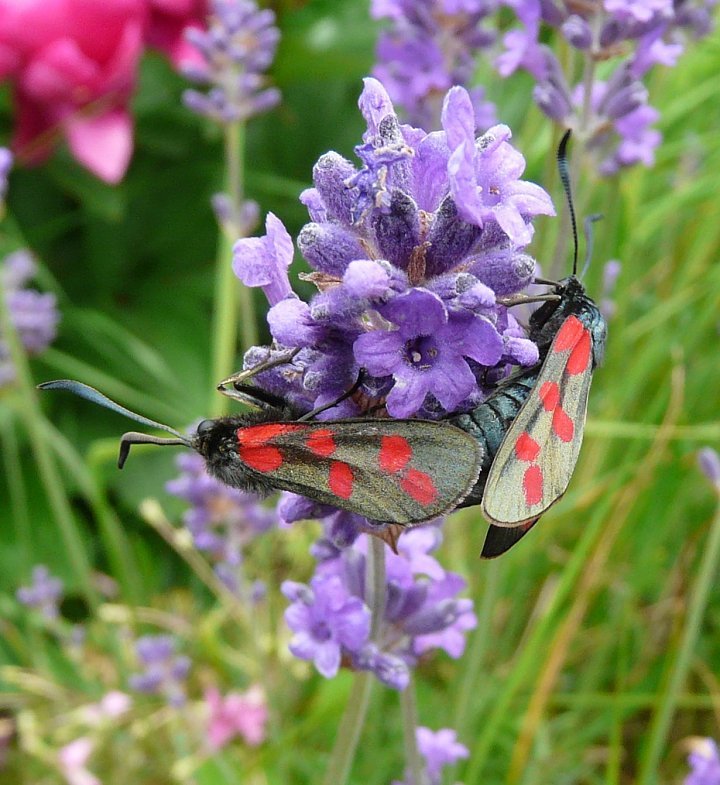
Dr Tim Freed, a dedicated entomologist of many years and a Group member, gave an enlightening presentation on how he has transformed his private garden in Ferring into a carefully managed refuge for wildlife.

What began as a conventional garden has been steadily reshaped into one designed purely as a sanctuary for the widest range of wildlife possible.

Tim’s lifelong fascination with insects prompted him to take a gradual and experimental approach. Firstly, small areas of lawn were left uncut and Tim was encouraged by the many native species of wildflowers that quickly established themselves.

This motivated Tim to allow larger areas of lawn to naturally grow further areas of wildflowers. This very soon resulted in attracting many pollinating insects. Advice was taken on which shrubs to plant to add value to pollinators and specialist insects. Dead wood was retained rather than cleared, providing habitat for beetles, fungi, and nesting bees. Ponds and damp areas were introduced to support aquatic insects and their predators.

Tim’s vision extended beyond insects alone: the garden was intended to support interconnected food webs, from soil microorganisms to birds, amphibians, and small mammals.

This approach demanded patience and a willingness to accept visual disorder in favour of biological complexity.

The process was not without difficulty. Establishing a wildlife-friendly garden required significant physical labour, ongoing observation, and continual learning. Progress was often slow, and setbacks such as plant failures, extreme weather, or invasive species were frequent. Social challenges also arose: neighbours sometimes viewed the untidy appearance of the garden as neglect rather than intention, requiring Tim to repeatedly explain and defend his approach.

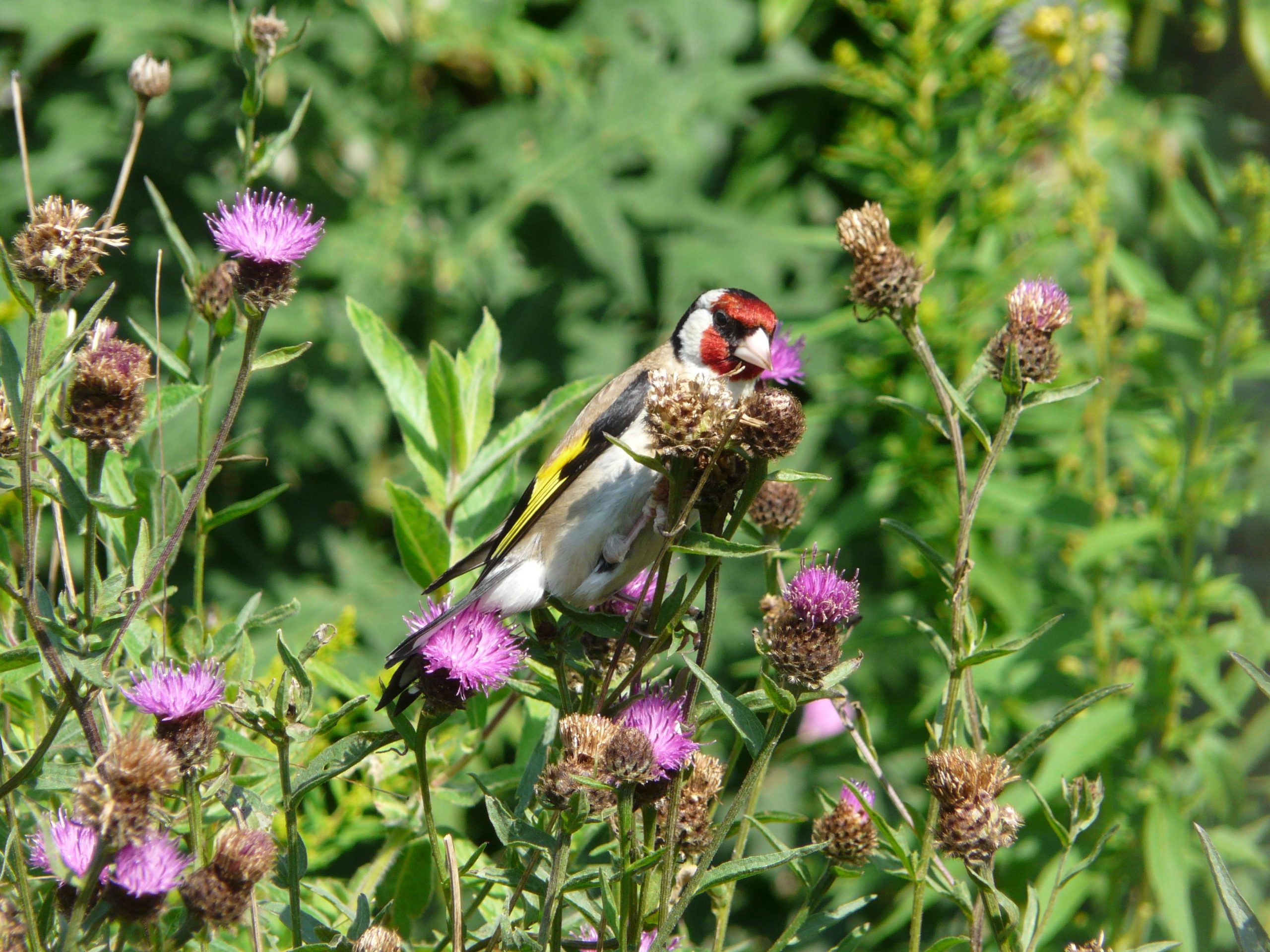
The many stunning photographs of the species now present in the garden helped to illustrate the importance of Tim’s work and to encourage the audience to try this technique in areas of their own gardens.

After the usual break for tea and biscuits Stephen Abbott took to the floor to discuss local planning issues. A new planning application has been submitted for a dwelling to be built on a small piece of land on the corner of Brook Lane. The Ferring Men in Sheds group are proposing to build a wooden shed behind the pumping house on the Glebelands playing field. Roundstone Pick Your Own Farm is now closed due to the retirement of the proprietors.

To conclude the meeting Graham Tuppen advised members and visitors on local wildlife sightings with news of several Goldfinches in his garden. Clive Hope had spotted a Mistle Thrush and a Goldcrest near to the farm ruins in Sea Lane. Peter Dale had seen Great Tits and Goldcrests locally plus Oystercatchers, Sanderlings and a Lapland Bunting had all been seen on Ferring beach in the last week or two, as well as a Snow Bunting at the Witterings.