As part of a ten point plan for a green industrial revolution for the UK to become carbon-neutral a new government initiative was announced at the end of 2020 to plant more  trees up and down the country. A cash boost of almost £4 million will see hundreds of thousands of new trees planted in towns and cities and near to rivers to reduce flood risk. This will help meet the government’s commitment to increase planting to 30,000 hectares per year across the UK by 2025.
A budget of £2.5 million will support schemes led by DEFRA, Natural England and the Tree Council to develop five pilot schemes to be delivered by Local Authorities. To encourage innovative, cost-effective ways to plant trees outside of woodland areas over the next two and a half years.
The Environment Agency has been awarded a further £1.4 million to fund 15 projects to plant over 850,000 trees that will aim to protect around 160 km of river, to help reduce the risk of flooding.
On the back of this government initiative BBC One’s Countryfile programme has launched its very own ‘Plant Britain’ project. Over the next two years the nation will be encouraged to plant trees, plants, fruit and vegetables, with prompts to add details of their efforts to an interactive map that can be found on the BBC website:
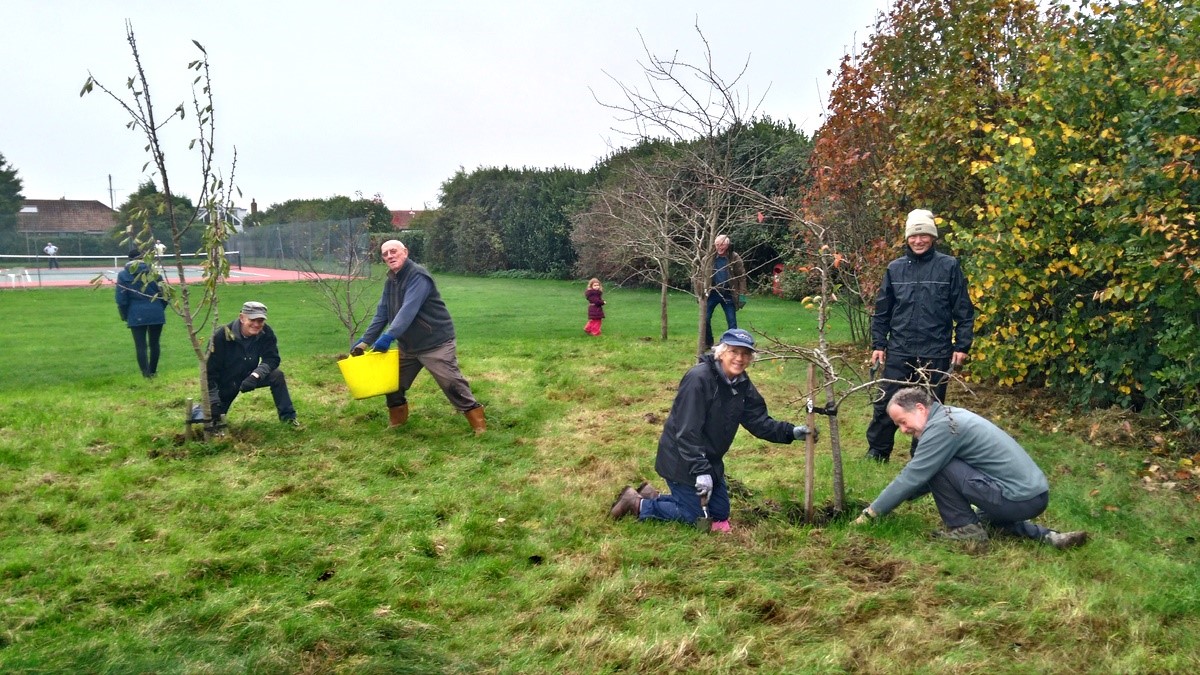
 Ferring Conservation Group thoroughly endorses this initiative and would like to encourage the residents of Ferring to plant trees in their gardens or grass verges, if they own them. This would not only help to redress the problem of many local trees being felled in recent years but also provide good wildlife habitats.
If you are buying a tree then please try to use one of the very good local nurseries or garden centres and focus on buying a native tree, remembering to check it is a suitable height and spread for the intended site. Fruit trees are a good choice too as they provide food for a variety of wildlife; including birds, mammals and insects.
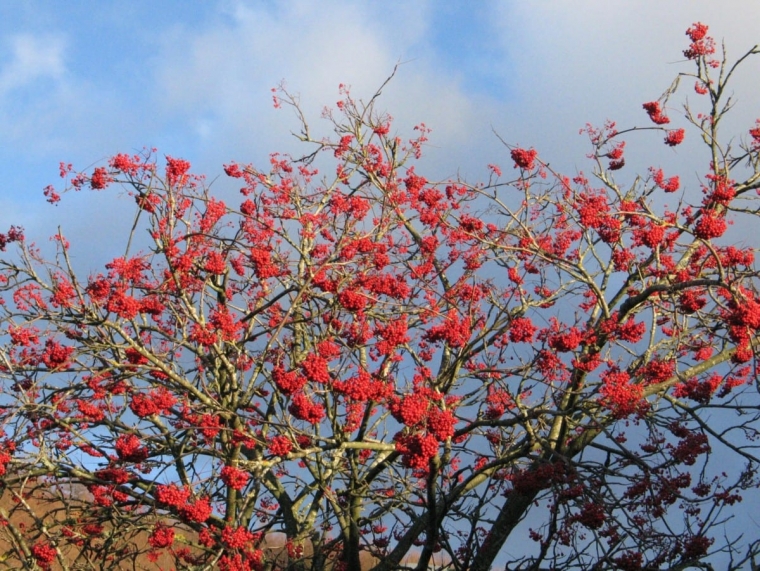
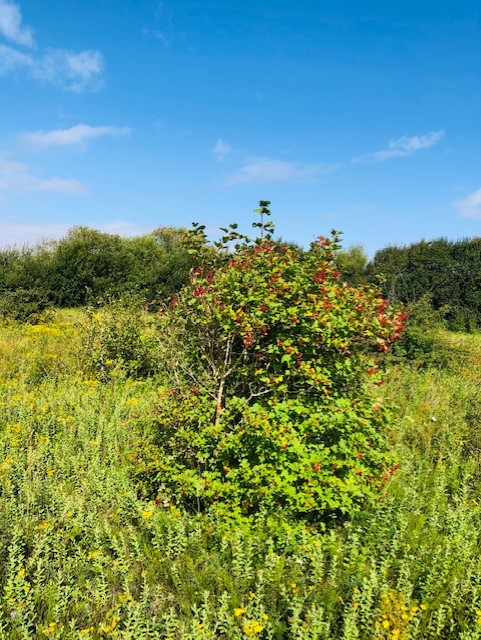
Trees play a remarkable part in cleansing the air by removing excessive CO2, making a significant contribution to fighting climate change. A mature tree will capture around 48 pounds of CO2 from the atmosphere and lock it safely away.  Trees can also help to absorb sound and as well as provide welcome shade during the summer months they can act as a useful wind break in an exposed garden. As they can soak up a good amount of water this can help to reduce boggy areas in a garden or grass verge. A wide variety of species can be very attractive and can make a welcome addition to the locality. Field Maples, Silver Birch, Hazel, Holly and Rowan trees are a good example of suitable native trees for a garden.
We would love to see more trees being planted in local gardens and open spaces.
For easy reference please follow the guidance below:
Happy Planting!
HOW TO PLANT A TREE
Equipment:
Tree in a container
Bucket
Watering Can
Spade and Fork
Stake and Tie
Tree guard or spiral
Mulch (organic matter like chipped bark)
The best time to plant is between October and April taking care to plant your chosen tree in a suitable location taking into consideration the eventual height and spread.
- Dig a hole three times as wide as the pot and the same depth. Loosen the soil around the hole with a fork.
- Thoroughly soak the root ball in a bucket of water before planting.
- Loosen the root ball to encourage roots to grow into the soil.
- Place the root ball in the hole so that the point where the roots meet the trunk is level with the surface of the soil surface.
- A piece of wood can be useful to check the level.
- Refill the hole ensuring there are no air pockets around the roots. Firm the soil around the tree making sure the stem remains upright.
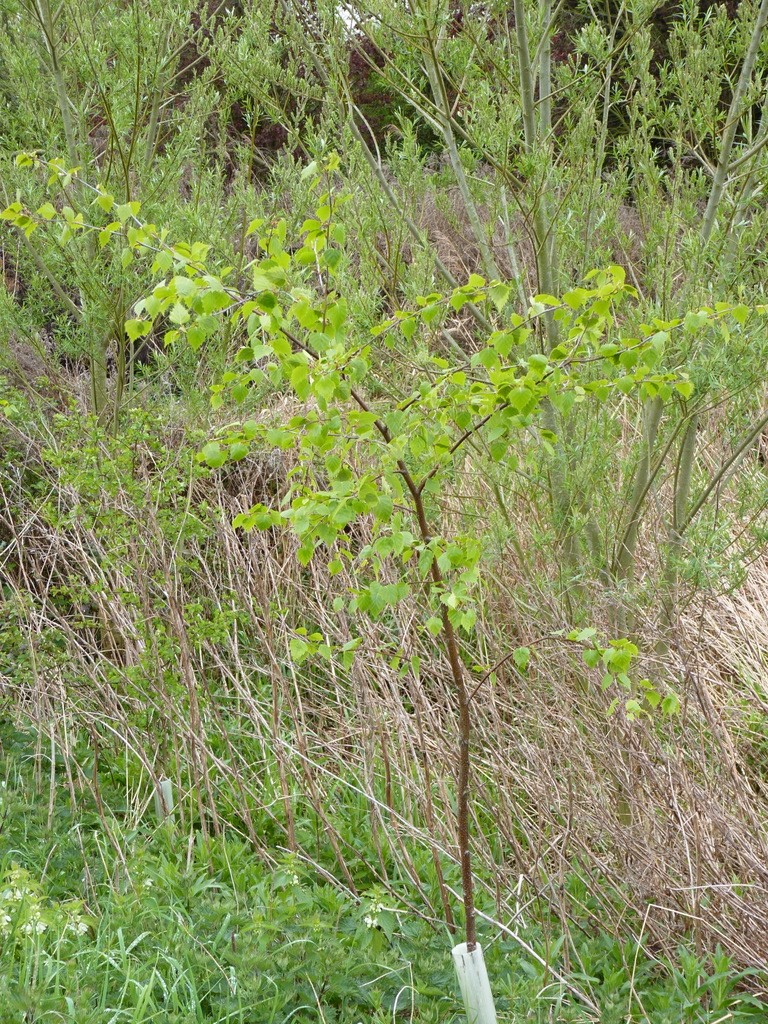
- Use a tree guard or spiral if your garden has wildlife visitors who may want to nibble the bark.
- Water well. Add a 5-8 cm (2-3in) layer of mulch but leave a 10cm (4in) mulch-free collar around the base of stem.
- Top-heavy trees will probably need staking. Put the stake firmly at a 45 degree angle – use a hammer to make sure it’s secure.
- Now attach a tie to your tree to support it in windy weather. Garden centres can show you how to do this when you buy it.